
A simple starting point for safer sleep
Prepare a clear sleep space, plan for tired nights and make sure every caregiver knows the same basics.
The essentials
- Start every sleep on the back, in a clear, firm and flat sleep space.
- Share the safer-sleep plan with everyone who cares for your baby.
- Tracking and monitoring products do not replace safe sleeping practices.
Keep the sleep space deliberately simple
A baby's sleep space does not need to resemble a decorated photograph. The NHS advises a firm, flat mattress and a cot or bassinet clear of pillows, cot bumpers, toys and loose bedding. Put your baby down on their back. For the first six months, the recommended arrangement is their own sleep space in the same room as you.
Use the full guidance and the product's instructions to check the actual setup. A ‘baby’ label on a cushion, nest or accessory does not by itself make it an appropriate place for sleep.
Further guidance: NHS: Safer sleep advice
Check the basics before every sleep
Red Nose Australia's recommendations include back sleeping, keeping the head and face uncovered, a smoke-free environment and a safe sleeping environment. Read all six recommendations and the supporting explanations rather than relying on a short checklist alone. Your own healthcare team can advise about additional circumstances.
Think about how this works away from home too. Before a grandparent's first babysitting visit, check where the baby will sleep and what bedding will be used. It is easier to organise a suitable space before everyone is tired and the baby is ready for a nap.
Further guidance: Red Nose Australia: Six safe sleep recommendations
Plan for the moments when you are exhausted
Overnight feeds and settling can happen when adults are extremely tired. The NHS warns particularly about falling asleep with a baby on a sofa or armchair. Plan how you will return your baby to their own sleep space before you fall asleep, and ask your healthcare team for advice if this is becoming difficult.
A practical plan might include preparing the sleep space before the feed and agreeing how another adult can help. The goal is to anticipate a tired moment rather than depend on a timer alert to keep you awake.
Further guidance: NHS: Safer sleep advice
Write a clear handover for other caregivers
Share the same trusted guidance with everyone who looks after your baby. Explain where the baby sleeps, which equipment is used and where to find the relevant instructions. Show the setup rather than assuming ‘we follow safe sleep’ means the same thing to everyone.
A short handover can keep the practical details together: the baby's usual sleep space, the current care plan and who to contact with questions. Review it when care arrangements change. A saved sleep duration is not a record that someone checked the environment, so keep those conversations separate.
Know what a sleep app does and does not do
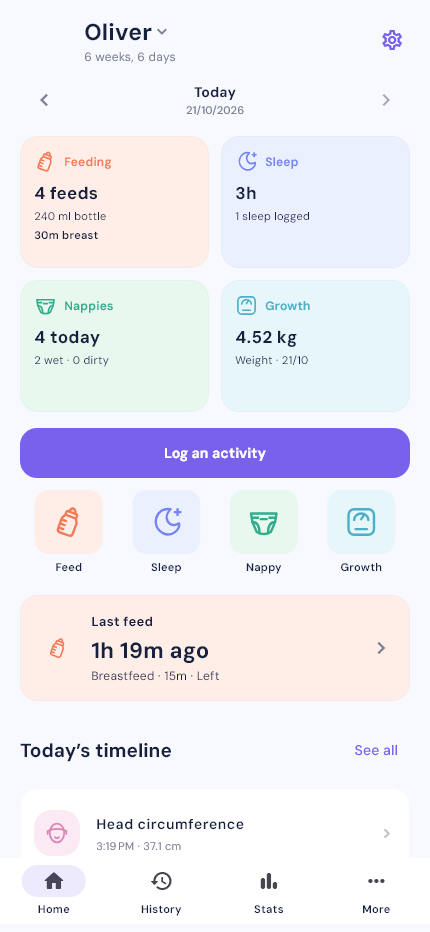
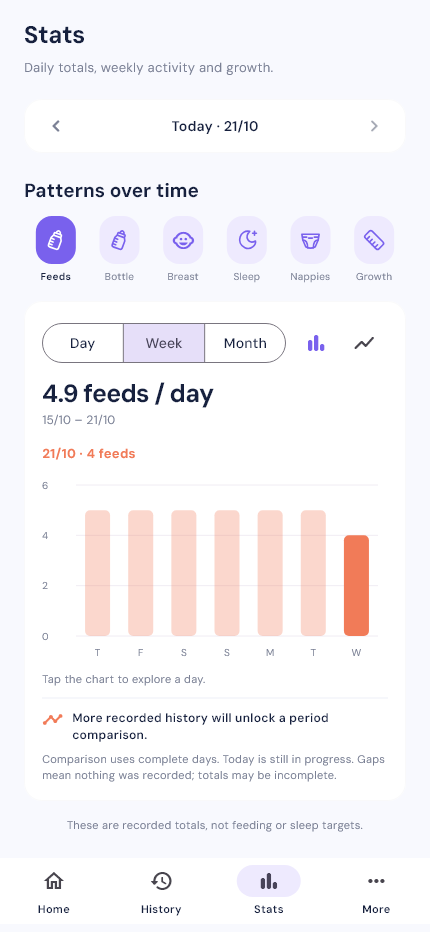
Baby Tracker stores sleep entries you create. A running timer continues counting elapsed time; it does not know whether your baby is asleep, awake, breathing normally or in a safe position. A reassuring-looking graph cannot verify any of those things.
Use the app for remembering times and communicating a history, and use direct care and professional guidance for safety decisions. If a record is incomplete, correct it when convenient. Completing an entry should never delay attending to your baby or asking for help.
Use full guidance for changing circumstances
A short article cannot assess your baby's medical history, equipment or home. Read the linked resources in full and ask a qualified professional about situations they do not cover for you. If two sources appear to differ, bring the actual recommendations to your local team rather than mixing selected parts into a new rule.
Keep the trusted links somewhere caregivers can find them again. Reviewing the plan when you travel, change sleep spaces or add a new caregiver is a useful habit. Safer sleep is a shared care practice, not a score an app can award.
Sources & further reading
For the full guidance and advice for your circumstances, start with your local healthcare team and these resources.
NHS: Safer sleep adviceRed Nose Australia: Six safe sleep recommendationsGeneral information only. This site and app do not diagnose, treat or monitor medical conditions. If your baby seems unwell, seek medical advice rather than waiting to collect more records.
A little more to explore

Newborn sleep: small stretches, changing days
Get to know newborn sleep, recognise tired cues and keep a record that helps rather than adds pressure.
Read guideNaps, night waking and the bigger picture
Make useful comparisons, handle interrupted timers and understand the limits of a sleep graph.
Read guide